

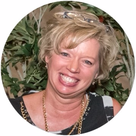
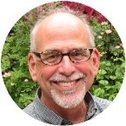
| Brenda Peterson Outgoing Executive Director Volunteer Center of Ozaukee County Rob Meiksins Excited CEO Nonprofit Center of Milwaukee | The Volunteer Center of Ozaukee County and the Nonprofit Center of Milwaukee (NPC) announced today that the Volunteer Center Ozaukee will be managed by the Nonprofit Center of Milwaukee in 2017. “We are very excited about this partnership, because it will enable us to continue to provide the programs and services that our partner agencies and community members have come to rely on,” said Brenda Peterson, outgoing Executive Director of Volunteer Center Ozaukee. “In fact, they can look forward to more educational and training opportunities being available to nonprofit agencies as NPC expands its programs into Ozaukee County,” said Rob Meiksins, Chief Executive Officer of the Nonprofit Center. The Nonprofit Center will run the Volunteer Ozaukee programs, including connecting volunteers to needs in the community, promoting and publicizing nonprofit agencies’ needs, providing experts to train Ozaukee County nonprofit leaders and, during the holiday season, providing ways for people to use their holiday spirit by adopting community agencies. Peterson stated that the VCOC Board of Directors and staff believe this is the best course of action for Volunteer Center program delivery in Ozaukee because NPC is dedicated and committed to continuing the Volunteer Center’s mission. Meiksins added that NPC's Volunteer Center has been delivering successfully on the same mission for years, and several Ozaukee County nonprofits have been NPC members. “This transition provides VCOC and our partner agencies with an opportunity to build on what we already have and engage in strengthening the nonprofit sector in southeast Wisconsin to benefit us all,” Peterson explained. “The Ozaukee community has a tradition of helping those in need. VCOC Board and staff thank you for all your support over the past ten years. We encourage you to continue this tradition by being a part of the Volunteer Center as a volunteer, donor, or partner agency and by supporting the Volunteer Center’s vital mission to serve our community through the collective power of volunteerism.” For more information, use the following links for Nonprofit Center of Milwaukee and Volunteer Center of Ozaukee County. Sign up here to receive news from Volunteer Center of Ozaukee County. For Volunteer Center of Ozaukee County Partner Agencies: Download a pdf mail-in Partner Agency Agreement form Download a pdf of VCOC Member Benefits 2017 |
|
0 Comments
By Amy Rabideau Silvers Shavonda Sisson knows firsthand how Milwaukee-area nonprofits are making a difference and how they're using NPC to make that possible. She joined NPC in July as Client Relations Associate, a new position at the organization. In the interview below, she answers some questions about what's available through NPC. If you have more questions, you can email her or give her a call at 414-344-3933 x124. NPC: Why did NPC create the new Client Relations position? Shavonda: When Rob came to NPC as the new CEO, he wanted to focus on members and member services, elevating them to a premier membership. We want an exceptional client experience not only for members but for everyone walking in our door. Client relationships are about creating and expanding a positive experience, including our facilities and equipment and the website. Susanne Vella, who coordinates our workshops, shops for real food for our workshop attendees—not just breakfast bars—and she makes the coffee herself. It’s all about welcoming people and creating that positive experience. NPC: What’s your experience working with nonprofits prior to coming to NPC? Shavonda: I worked for another very small nonprofit, doing case management. I started with Public Allies Milwaukee—an AmeriCorps program—where they take young leaders and place them in nonprofits to learn about the nonprofit sector. It’s a 10-month program with paid internships. NPC: What do you bring to this job that is unique? Shavonda: I know a lot of people. I have a very big network of people who are in nonprofits around the city. Because I came through Public Allies—with 25 or 30 nonprofits involved in the leadership program every year—it’s a built-in network and it just gets bigger. NPC: How do you create a positive client experience at NPC? Shavonda: It’s about knowing my job as well as possible. It’s taking the extra step and knowing the services, recommending the best services to use. If someone is posting multiple jobs on Jobs That Serve, I can recommend a subscription to post more jobs less expensively. It’s just paying attention to what people need. NPC: When should people call you? Shavonda: If they have issues logging into their member accounts or there’s a problem with Jobs That Serve. I keep our database updated, too, so people should call me if they get a new job at their organization or if people have changed positions. We have more than 1,300 staff memberships. If you work for an organization that is a current NPC member, you may be eligible to get a free staff membership and all the benefits that includes. NPC: What do you wish more people knew about NPC? Shavonda: I wish more people knew they could call us. We do customized training. We will come and do nonprofit training based on your needs. We wish that more staff members with member organizations knew what their member benefits are, including member discounts on our events, and access to use our resource library and select meeting rooms when they’re available. Member nonprofits are also free to post to our volunteer board as well as our job board. We want to help organizations be strong and expand nonprofit skills and knowledge. NPC is a place where the nonprofit community can come and learn. We offer training and support and connections to help newer nonprofits. And for more established nonprofits, we offer skills to stay current and valid and impactful. NPC: What do you do when you aren’t working? Shavonda: I also work with another organization, the African American Breastfeeding Network. I do work with pregnant moms who might want to breastfeed and new moms who are breastfeeding. And I do a weekly podcast,That’s What She Said, with Tracey Corder, a friend in Oakland, and we talk about pop culture and politics. Amy Rabideau Silvers is a writer and communications specialist, who long worked with the Milwaukee Journal Sentinel. She most loves stories about people and what's important to them, including people trying to make a difference through NPC. Blog from the Big Chair By Rob Meiksins, CEO It's been a year since I took the job as CEO of the Nonprofit Center of Milwaukee. That's hard to believe. Bonnie Andrews, the retiring manager of Volunteer Milwaukee, was in my office yesterday and when I told her about all of the LinkedIn congrats I'm getting, she was shocked. “A year?!” she gasped. “Time flies when you're having fun,” I replied. Has it all been fun? No, not everything that has happened has been roses and rainbows. But a lot of it has been really good and really fulfilling. Here's my list of really cool things that I've experienced this year – and some things that are not so cool. Cool Things 1. Feeling the energy that exists around doing good and helping. The fact that Milwaukee is ranked third in the nation for volunteerism is an amazing thing and demonstrates what is cool about this town and the people who live here. The fact that our Volunteer Milwaukee program and our very own Bonnie Andrews had something to do with that makes a CEO very proud. 2. Thinking in big-picture terms about the nonprofit sector and what we can do to help. Working with people on redesigning our training curriculum, for example. Getting a small team together and thinking about what we want a curriculum to do, the competencies we want a nonprofit organization to demonstrate, and the domains for those competencies – I just love that part of this job. Call me a geek, but I find strategizing around the best systems and approaches for helping the organizations that do great things in our community incredibly energizing. Not-So-Cool Things 1. The politics among and between nonprofits and the people who work for them. Brutal honesty here: topping my list of uncool things is when people are on power trips and want you to help them but will not return the favor. When people get territorial and prioritize defending their little fiefdom at all costs. The flip side of that one is not caring that there is already something in place, and creating a competitive environment that does not need to be there. We’re all in this together, folks. We’re all trying to reach the same goal of a strong and vibrant community. Let's start putting our money where our mouths are: let’s start acting the way we say we want the whole community to act. We can do better! 2. The nonprofit sector’s inferiority complex. We just assume we do not deserve the same investment as any other type of business, government entity, or other initiative. We assume that our salaries should be smaller than anyone else’s. We assume our buildings should look beat-up. We assume that we shouldn't invest in our overhead. In fact, we brag about it. Here's what I hate to hear: “We're doing more with less.” If that’s true, maybe you aren’t doing it as well. It costs more to do things now than it used to. So how are you making that work? We need to stop saying – and thinking – that doing more with less is a virtue, because the nonprofit inferiority complex is starving our sector. I can't end in a rant, so I'll share another positive: hearing the stories of the people who feel they've been helped by us. When someone tells me NPC Organization Development Consultant Joyce Mallory is the reason their organization is doing so well, now. Or when a board director tells me he learned from my class on governance how to get everyone on the board to talk, and how that transformed their meetings. Or when I see people talking to each other before or after a meeting and they're finding out what they share and learn from each other. That's a good thing. When we have successfully built a learning nonprofit community, I will know I've done my job with this organization. So, yeah, it's been a good year overall. We've started some very exciting things, and I truly am looking forward to year two. I may be opening myself up, here, but I'd love to hear from you, dear reader. What are your observations of my first year in the big chair? Blog from the Big Chair By Rob Meiksins, CEO I can’t tell you how many times I’ve heard it from Milwaukee nonprofit executives, and every time I hear it I cringe. “We’re in financial trouble,” they say. “I’m going to have to fix things: I’ll hire a grant writer.” Argh! as Charlie Brown used to say. Grant writers are wonderful people and do important work. But generating income is about far more than putting words on a piece of paper or website. Here’s another one: “My board isn’t doing enough.” This is shorthand for: “We’re in financial trouble and I need my board to raise funds now.” That executive has probably never involved the board in fundraising but expects that, magically, the directors will ride in on their white horses and save the day. One more cringe moment. “I need to find an angel donor. You know, that millionaire next door that no one ever knew had a lot of money.” So you're telling me that millionaire next door has never had any contact with your organization—but maybe, just maybe, he’s interested in your cause? Cringe. It’s not that fund development for Milwaukee nonprofits is impossible—it’s just that there are many misconceptions about how to do it that run rampant in our sector. To bust those myths and teach nonprofits viable fund development strategies, UW Parkside has developed a Fund Development Certificate program that will be offered here at the Nonprofit Center of Milwaukee. 3 Fund Development Myths Debunked Going back to our cringe moments above, here are three fund development myths, along with the facts that contradict them. This is the kind of information that Milwaukee nonprofit executives and fund development staff will learn in the new fund development certificate program: Myth #1: Hiring a grant writer will solve your funding crisis. A report from the Center for Charitable Statistics points out that almost half of funding for nonprofits comes from fees for services and goods. Private contributions only account for 13.3% of income for nonprofits. To really fix a funding crisis, the nonprofit executive needs to pay attention to earned revenue. Of course many people say there’s nothing unearned about charitable giving: all donations are earned through very hard work. However, according to Giving USA, 62% of all gifts to nonprofits in 2015 were from individuals. People. Not foundations or corporations. Putting those statistics together, a grant writer pursuing foundation and corporate giving is going after less than 6% of nonprofit funding. Myth #2: Your board can magically raise funds instantaneously. There is a cycle of fund raising that involves identifying donors, cultivating them, asking for a gift, thanking them for the gift, involving them in the organization, and on and on. You have to diligently establish a culture of philanthropy at your organization, and that takes time and energy. So start now, before it's a crisis. Myth #3: There’s a millionaire next door waiting to give you lots of money. By definition, a prospect—according to Andy Robinson—is a person who has the capacity to give, has the habit of giving, and knows about you. So that millionaire next door may have the capacity to give, but does she like to make donations? If not, you’re out of luck. If she likes to give, it is really unlikely that she’ll give to you if she knows nothing about what you do, so you are out of luck again. The old adage is that it takes seven contacts to get the gift. Simply put, it takes work. Work to find the donor, work to learn about them, and work to get them to want to give. Who Is the Fund Development Certificate Program For? The point of the fund development curriculum we’re offering this fall is to help nonprofit staff develop the good habits required for effective fund development. This is not a class for the desperate, but for people who want to take fund development seriously and establish a sustainable culture of philanthropy at their organization. There was a strong team that came together at UW Parkside to design this curriculum. We wanted it to be engaging, interactive, intense, and comprehensive. We wanted to be able to say that our graduates know how to do fund development the right way. We hoped that they would learn about the work that’s involved, but also about the rewards. Knowing that you’ve helped connect a donor to a cause they’re excited about and want to have an impact on is a great feeling. Knowing you’ve helped a cause connect to a donor who can provide some of the resources needed to deliver on the mission is equally amazing. If this is what you want to do or are being asked to do for your organization, I encourage you enroll in the fund development certificate program. Want to learn more? Register for a free presentation and Q & A session on the Fund Development Certificate Program, July 13 at 12 noon at NPC, 2819 W. Highland Ave., Milwaukee, WI. by Katie McKeown, Marquette Trinity Fellow Milwaukee’s 2016 Global Youth Service Day was the largest in the city to date! Global Youth Service Day is the world’s largest service event and recognizes the positive contributions young people make to their communities every day of the year. This year’s signature event took place on Saturday, April 16th, and additional service events took place throughout the month of April. The Nonprofit Center of Milwaukee is our area’s Lead Agency for Global Youth Service Day, and we are proud to have worked with over 100 partners, including 67 local organizations and 52 schools, to make the event a success. Over 10,000 participants, including over 7,000 youth, came together to plan and complete 109 service projects across our community. Our service projects ranged from improving park land, conducting food drives, developing community gardens, fostering global partnerships, providing education and outreach, to many other topics. We’re proud of the diversity and impact of these projects and are inspired by the creativity, energy, and talents of the youth of Milwaukee. In addition to the service projects, the Global Youth Service Day committee hosted a Celebration of Service, which was attended by over 90 youth and over 50 adult volunteers. Attendees learned about various additional service opportunities available with nonprofits in the community and were given the opportunity to commit to future service engagements. The media highlighted Milwaukee’s Global Youth Service Day in many ways, including television interviews, social media posts, and online articles. In fact, over 21 media stories covered the event! These media stories helped highlight the tremendous capacity young people have for improving their communities. As a result of Global Youth Service Day, our community is a little cleaner, safer, wiser, and healthier. Litter and debris-ridden areas have been cleaned, community gardens created and improved, people in need have received vital donations, diverse groups have been educated on important issues, and disparate community groups joined together around a common desire to improve Milwaukee’s neighborhoods. For an overview of Milwaukee’s Global Youth Service Day projects, please visit the local projects page of the website. And remember to Save the Date for next year’s Global Youth Service Day: April 21-23, 2017! Strengthen Your Nonprofit – Join NPC! |
Categories
All
Archives
August 2017
|
RSS Feed